Horned Deer Head: A Boutique Sweatshirt Review
As an embroidery designer preparing for a seasonal capsule collection, selecting the right artwork is about more than just aesthetics; it is about technical viability and market resonance. When evaluating the Horned Deer Head machine embroidery design for a premium sweatshirt line, my primary focus is how this woodland motif translates from a digital screen to a tangible, high-value garment. For small clothing brands and Etsy sellers, the difference between a generic craft project and a boutique staple often lies in the nuance of the digitizing and the intentionality of the application. This review breaks down my professional assessment of this design for commercial apparel use.
First Impressions and Design Personality
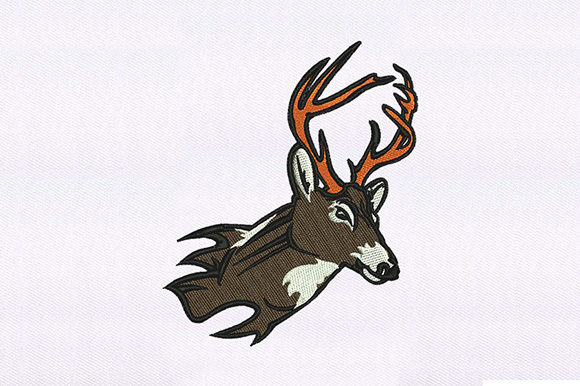
Upon loading the embroidery file into my software, the Horned Deer Head immediately presents a balanced silhouette that straddles the line between rustic tradition and modern minimalism. In the context of Woodland Animals, deer motifs can sometimes skew too juvenile or overly hunting-oriented. However, this specific digitization feels refined. The antler structure appears to have enough open space to prevent a bulletproof patch effect on heavy fleece, while the facial features suggest a stylized elegance rather than hyper-realistic density.
For a boutique brand, this versatility is crucial. The design reads as gender-neutral and sophisticated, making it suitable for oversized hoodies, cropped crewnecks, and unisex tees. It possesses a "quiet luxury" aesthetic that appeals to customers seeking cozy seasonal apparel without loud graphics. Whether intended for a feminine pastel palette or a bold, dark academic look, the underlying stitch architecture seems adaptable. As a handmade product anchor, it offers immediate visual recognition without feeling like a stock clip-art afterthought.
Technical Evaluation for Sweatshirt Embroidery
The true test of any digital embroidery file is its performance on variable fabrics. Sweatshirt embroidery presents unique challenges due to the loft and stretch of French terry and heavyweight fleece. When reviewing the Horned Deer Head for custom apparel, I am looking at three critical technical factors:
- Stitch Density and Fabric Texture: Heavy sweatshirts require designs with adequate underlay and compensation for fabric push-and-pull. If the Horned Deer Head is too dense, it will cause puckering or distort the garment's drape. If it is too sparse, the stitches may sink into the fleece pile. Based on the visual layout, this design appears optimized for mid-to-heavy weight knits, provided the correct stabilizer is used.
- Thread Color Contrast: On neutral sweatshirts like oatmeal, sage, or charcoal, thread selection defines the mood. A tonal approach (e.g., cream thread on ivory fleece) creates a subtle, high-end texture. Conversely, high-contrast metallic or variegated threads can transform the same Horned Deer Head into a statement piece. The design’s line work must be distinct enough to hold these variations without losing definition.
- Stabilizer Strategy: For commercial embroidery on stretchy knits, a cutaway stabilizer is non-negotiable. I recommend testing this design with a medium-weight fusible cutaway to prevent shifting during the hoop placement process. The antler tips are potential failure points for registration errors; ensuring your hooping technique is tight and consistent is vital for maintaining crisp edges on the finished product.
Strategic Placement for Boutique Merchandise
Where you place the Horned Deer Head dictates the perceived value of the garment. For a limited sweatshirt drop, I advise moving beyond the standard left-chest placement to create a cohesive collection narrative.
Chest and Yoke Applications
A centered chest placement on an oversized hoodie creates a streetwear-inspired focal point. This works exceptionally well if the Horned Deer Head is scaled appropriately to avoid looking lost on a large canvas. Alternatively, a smaller iteration on the left chest paired with a sleeve accent offers a layered, detailed look that encourages customer engagement through close-up photography.
Back Designs and Statement Pieces
Utilizing the back of a sweatshirt allows for a larger hoop size and greater detail. A full-back Horned Deer Head serves as walking advertising for your small shop product. This placement is ideal for lifestyle product photography, as it captures attention in social media feeds and flat lays. Ensure you check the maximum dimensions within your specific embroidery file formats before committing to a back print, as scaling up requires verifying stitch integrity.
File Compatibility and Production Workflow
One of the strongest assets of this design package is the comprehensive format inclusion. Having access to 10O, ART, CND, DSB, DST, DSZ, EXP, HUS, JEF, PEC, PES, TAP, VIP, and VP3 files streamlines production for shops running multiple machine brands. Whether you are using a single-needle home machine for prototyping or a multi-head commercial embroidery setup for bulk runs, native compatibility reduces conversion errors.
However, a word of caution for fellow designers: always verify the specific hoop size and stitch count in your software before production. While the file formats are extensive, the physical constraints of your equipment dictate feasibility. For Etsy sellers offering printable mockups alongside physical goods, having the original ART or DST file allows for accurate color mapping in digitizing software, ensuring your digital previews match the actual thread colors used in manufacturing. This alignment builds buyer trust and reduces return rates due to expectation mismatches.
Elevating Brand Identity Through Detail
In the saturated market of handmade apparel, the Horned Deer Head serves as more than just a pretty picture; it is a vehicle for brand storytelling. The quality of the embroidery directly reflects on your business reputation. A clean, well-executed deer motif signals professionalism and attention to detail. When customers receive a sweatshirt where the antlers are sharp, the satin stitches are smooth, and the registration is perfect, they associate that quality with your entire brand identity.
Furthermore, this design supports cross-selling opportunities. The same Horned Deer Head embroidery file can be adapted for beanies, tote bags, or nursery decor, creating a unified visual language across your shop. For creative entrepreneurs, maximizing the utility of a single high-quality design asset improves profit margins and strengthens visual recognition.
Final Verdict for Commercial Use
After thorough evaluation, the Horned Deer Head stands out as a viable candidate for premium sweatshirt collections. Its balance of organic form and structural integrity makes it suitable for both casual and elevated apparel lines. Success will ultimately depend on proper testing regarding stabilizer choice, thread tension, and fabric interaction.
I recommend running a sew-out on your exact production fabric before listing. Test the design on both light and dark bases to confirm contrast ratios. Document your settings to ensure consistency across future batches. By treating this machine embroidery design with technical respect and creative intention, small business owners can transform a simple woodland motif into a signature bestseller that resonates with their target audience and withstands the rigors of daily wear.