Horned Skull Mask: Embroidery Design Review
First Impressions for Commercial Merchandise
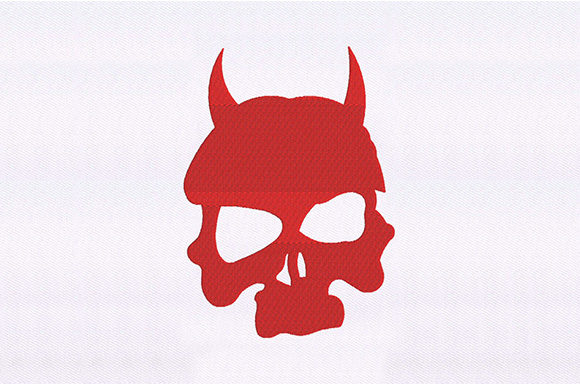
As an embroidery designer evaluating assets for small business merchandise, my first impression of the Horned Skull Mask is that it possesses a distinct, bold visual personality. While categorized under Halloween, this machine embroidery design transcends simple seasonal decoration. The imagery suggests a rustic, alternative, or artisanal aesthetic that could serve as a powerful identifier for specific niche brands. It does not feel overly cartoonish or cheap; rather, the concept implies a level of detail suitable for premium custom apparel or branded accessories.
For business owners in creative industries, this design offers a departure from standard corporate logos. It feels handmade and authentic, which is crucial for building trust with customers who value craftsmanship. However, because skull motifs can be polarizing, I view this as a specialized asset. It is perfect for tattoo shops, metal bands, alternative clothing boutiques, motorcycle clubs, or even edgy coffee roasters, but it requires careful placement to maintain professional brand identity. The design promises high visual impact, but its success in commercial embroidery depends entirely on technical execution and appropriate application.
Real-World Applications for Small Business Branding
When integrating the Horned Skull Mask into a product line, versatility is key. This digital embroidery file has significant potential across various merchandise categories. For a boutique or creative studio, this design works exceptionally well as an embroidered patch. Patches allow businesses to sell branded gear without committing to full garment production. A 3-inch or 4-inch patch featuring this mask can be applied to denim jackets, backpacks, or beanies, creating immediate brand recognition among a target demographic that appreciates darker aesthetics.
In the realm of staff uniforms, this design serves best as a secondary mark rather than a primary chest logo, unless the business theme specifically aligns with the imagery. Consider apron embroidery for bartenders or baristas in a speakeasy-style venue. Placing the Horned Skull Mask on the bib of a canvas apron creates a cohesive team look that doubles as marketing. Similarly, for tote bag design, this motif provides a large, flat surface area that showcases stitch definition. Canvas totes are popular retail items, and a well-executed skull design can turn a functional bag into a desirable fashion accessory.
Cap embroidery presents another lucrative opportunity. Front-panel hat designs need to be legible from a distance. The horned elements of this mask likely provide natural framing that draws the eye to the center of the cap. For Etsy sellers or makers of handmade products, using this design on product packaging accents or as a tag on leather goods adds perceived value. It signals that the brand has a curated, intentional visual language rather than a generic appearance.
Technical Considerations and Production Safety
Despite its aesthetic appeal, the Horned Skull Mask requires technical scrutiny before mass production. As with any complex embroidery file, you must verify the digitizing quality. Skulls often contain intricate shading and fine lines. If the stitch density is too high, the design may cause fabric puckering or needle breaks, especially on lighter materials. Conversely, if the density is too low, the mask may look sparse and unprofessional after washing. Always run a test sew-out on the actual fabric texture you intend to use. A design that looks perfect on stiff twill may distort on soft jersey knit.
Pay close attention to sizing limitations. While the file formats provided (including DST, PES, JEF, and VP3) are industry standards, they do not guarantee scalability. Resizing a detailed mask design down to a 2-inch sleeve accent might result in lost details or thread jams. Check the minimum recommended size within your embroidery software. If the horns are thin, they may require manual adjustment to prevent them from disappearing at smaller scales. Additionally, consider the hoop size required. Ensure your machine can accommodate the design dimensions without excessive re-hooping, which increases production time and alignment risks.
Color management is equally critical. The description lists compatible formats but does not specify thread colors. You must map these yourself. For dark uniforms, ensure there is sufficient contrast between the skull, the horns, and the background fabric. A black skull on a navy shirt will vanish without an outline or highlight stitches. Test color combinations in natural and artificial lighting. Remember that stabilizer choice dictates the final finish. Cutaway stabilizer is generally safer for wearable items to prevent distortion over time, while tear-away may suffice for sturdy tote bags or patches.
Strategic Brand Positioning and Customer Perception
Using the Horned Skull Mask affects how customers perceive your business value. In the right context, it elevates a brand from generic to cult-favorite status. It signals confidence and specificity. Customers looking for alternative or artisanal goods often distrust polished, corporate branding. They respond better to imagery that feels raw and artistic. By utilizing this design, you align your brand identity with those values. However, consistency is vital. If you use this edgy mask on aprons, ensure your shop signage, social media, and packaging share a similar tone. Disjointed branding confuses buyers and dilutes the impact of the merchandise.
For event merch or limited-edition drops, this design creates urgency. Seasonal relevance is obvious given the Halloween category, but do not limit sales to October. Frame it as "gothic," "vintage," or "folk art" to extend its shelf life year-round. When presenting this to clients or stakeholders, always create a printable mockup first. Digital renderings help visualize placement and scale before a single stitch is sewn. This step saves money and ensures the client understands how the aggressive nature of a horned skull translates to a physical product.
Essential Designer Checklist Before Production
Before loading this machine embroidery design into your machine for a commercial run, complete this verification process:
- Verify Licensing: Confirm that the purchase includes commercial rights for selling finished merchandise. File format compatibility does not equal copyright clearance.
- Test in Monochrome: Stitch the design in black and white first. This reveals structural issues, gap problems, or registration errors that color changes might hide.
- Audit Stitch Count: Compare the stitch count against your pricing model. High-count designs increase thread usage and machine time, affecting profit margins on small business merch.
- Check Format Integrity: Although formats like ART, CND, and XXX are listed, always convert to your machine’s native format and inspect the stitch path. Conversion artifacts are common.
- Evaluate Washability: Perform a wash test on a sample. Intricate masks can fray if satin stitches are too wide or lack proper underlay. Durability builds customer trust.
- Compare Against Assets: Place the Horned Skull Mask beside your existing logo and other design assets. Ensure visual weight and style cohesion across your entire product catalog.
The Horned Skull Mask is a potent tool for decorators and business owners willing to navigate its technical demands. It offers a unique avenue for differentiation in a saturated market. By treating it as a professional branding element rather than just a seasonal novelty, and by adhering to strict production standards, you can transform this digital file into a tangible asset that drives engagement and sales. Always prioritize testing and quality control to ensure the finished product reflects the excellence of your business.