Motif Fish Silhouette: A Craft Fair Seller Review
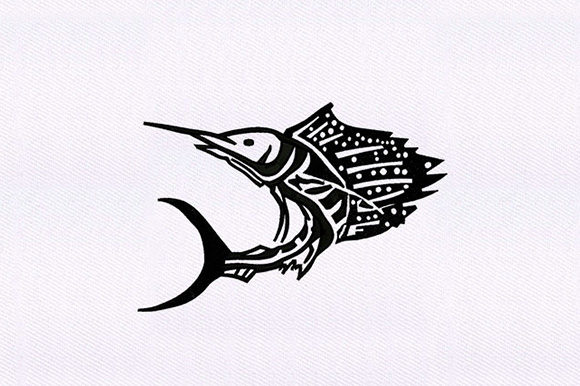
As an experienced embroidery designer preparing for a weekend craft fair, I approach every new machine embroidery design with a critical eye. It is not enough for a digitized file to simply stitch out cleanly on screen; it must translate into a profitable handmade product that catches the attention of shoppers walking past a booth. When evaluating the Motif Fish Silhouette, I am looking at more than just aquatic aesthetics. I am assessing its commercial viability across various blanks, from canvas tote bags to linen tea towels. This specific design, fitting within a 4x4 hoop with dimensions of W 3.71 in by H 3.82 in (94.2×97.02 mm) and containing 19,090 stitches, presents unique opportunities and challenges for the serious maker.
First Impressions and Booth Appeal
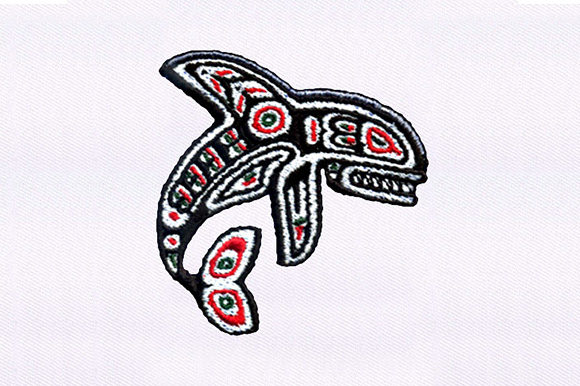
The Motif Fish Silhouette immediately strikes me as a versatile, nature-inspired graphic that leans toward modern rustic or coastal farmhouse aesthetics. Unlike intricate, multi-colored scenic designs, a silhouette relies on bold contrast and clean lines. For a craft fair table display, this is advantageous. Shoppers often scan tables quickly, and high-contrast silhouettes are readable from a distance. The design feels organic yet structured, making it suitable for both gender-neutral gifts and specific niche markets like fishing enthusiasts or beach house decor.
With a stitch count of 19,090 packed into a roughly 3.8-inch height, this indicates a substantial stitch density. This is not a lightweight outline; it is a filled motif. In person, this density gives the finished product a premium, tactile quality that customers associate with high-end embroidery rather than cheap mass production. However, as a designer, I recognize that this density dictates fabric choice. This weight will shine on sturdy materials but may overwhelm delicate sheers. The visual impact is undeniably strong, suggesting it will serve best as a focal point rather than a subtle background accent.
Best Product Applications for Market Sales
When planning my inventory mix, I evaluate where a design performs best physically and commercially. The Motif Fish Silhouette has distinct strengths across several categories:
- Tote Bag Design: Canvas and denim totes are craft fair staples. The 3.71-inch width fits perfectly on standard bag panels without distorting near seams. The dense fill provides excellent coverage against the textured weave of canvas, ensuring the fish shape remains crisp.
- Tea Towel Embroidery: Flour sack towels or waffle-weave linens are ideal. Because the design is under four inches tall, it leaves ample negative space, which is crucial for the elegant, minimalist look buyers want in kitchen textiles. The stitch count supports the towel's weight without causing excessive puckering if stabilized correctly.
- Apron Embroidery: Positioned on the bib or lower pocket area, this silhouette adds a professional, boutique touch to chef or gardening aprons. It transforms a utilitarian item into a giftable small shop product.
- Embroidered Patch: Given the defined edges of a silhouette, this design is a prime candidate for creating standalone patches. These can be sold as add-ons at the booth or applied to caps and jackets, maximizing the utility of a single embroidery file.
For Etsy sellers and digital vendors, this motif also photographs exceptionally well. Silhouettes create clear thumbnails that remain recognizable even when scaled down for mobile browsing. The distinct shape reduces visual clutter in listing photos, helping potential buyers instantly understand what they are purchasing.
Production Practicalities and Technical Considerations
While the aesthetic appeal is high, practical production determines profit margins. A 4x4 hoop size is the industry standard for home and small business machines, making this design accessible for batch production without requiring industrial equipment. However, the 19,090 stitch count requires careful management. Running this design on lightweight fabrics without adequate support will result in distortion. I strongly advise testing on scrap fabric identical to your final blank before committing to a full production run.
Stabilizer selection is non-negotiable here. For the tote bags and aprons mentioned above, a medium-weight cutaway stabilizer is likely necessary to support the density and prevent the fabric from pulling inward. For tea towels, a tear-away might suffice, but only if the fabric is tightly woven. If you are working with textured terry cloth or fleece, consider using a water-soluble topping to keep the stitches from sinking into the pile, which would obscure the clean lines of the fish silhouette.
Thread color choices also play a pivotal role in sales. While black or navy offers classic contrast, experimenting with variegated threads could add a unique, artistic flair that differentiates your booth from competitors. Always verify thread tension before stitching out the full design; dense fills can sometimes cause bobbin thread to show on top if tension is too tight, ruining the professional finish required for commercial embroidery sales.
Critical Use Notes for Makers
Every digital embroidery file has limitations, and understanding them prevents wasted materials. Although the provided formats include DST, PES, JEF, and others, always confirm compatibility with your specific machine. More importantly, be mindful of scaling. While the design is optimized for 3.71 x 3.82 inches, reducing it significantly below 3 inches may cause the dense fill to become bulletproof or lose detail. Conversely, enlarging it beyond the original digitized parameters without professional editing software can lead to gaps or registration errors.
Dark fabrics present another challenge. If stitching this silhouette onto charcoal or navy material, ensure you use a high-sheen rayon or polyester thread in a contrasting light color. Matte threads on dark backgrounds can make the silhouette disappear in low-light craft fair environments. Additionally, avoid placing this dense design over thick seams or zippers, as the needle deflection caused by uneven surfaces can break needles or damage the design integrity.
Maximizing Value and Brand Consistency
To truly leverage the Motif Fish Silhouette as a revenue driver, integrate it into a cohesive collection. Pair it with complementary nautical elements or simple text to create themed sets. A matching set of a tea towel and pot holder featuring this fish motif sells for a higher price point than individual items. For those selling the design assets themselves, providing a printable mockup showing the design on realistic blanks helps customers visualize the end result, increasing conversion rates.
Finally, never overlook licensing. Before selling finished goods or the files themselves, review the terms associated with your purchase. Confirm whether you have the rights for unlimited commercial production or if there are caps on sales volume. Respecting these terms protects your business reputation. By treating the Motif Fish Silhouette not just as a pretty picture but as a strategic manufacturing component, you elevate your craft from hobbyist to professional vendor. Test thoroughly, stabilize appropriately, and display confidently to turn this aquatic motif into a market-day bestseller.